If you’re new to gardening… or if you’ve tried before and felt overwhelmed… you’re not alone. For many people (me included), gardening starts with excitement and ends with frustration: constant watering, endless weeds, confusing advice, and the brown-thumb feeling that maybe you’re just “bad at it.” But what if gardening was never meant to be that complicated?
For most of human history, people grew food without raised beds, fancy tools, or weekly chore charts. Plants evolved to grow in soil that is covered, protected, and alive – NOT bare, tilled, and exposed. Modern research in soil science now confirms what nature has always shown us: healthy soil does most of the work when we stop disturbing it.
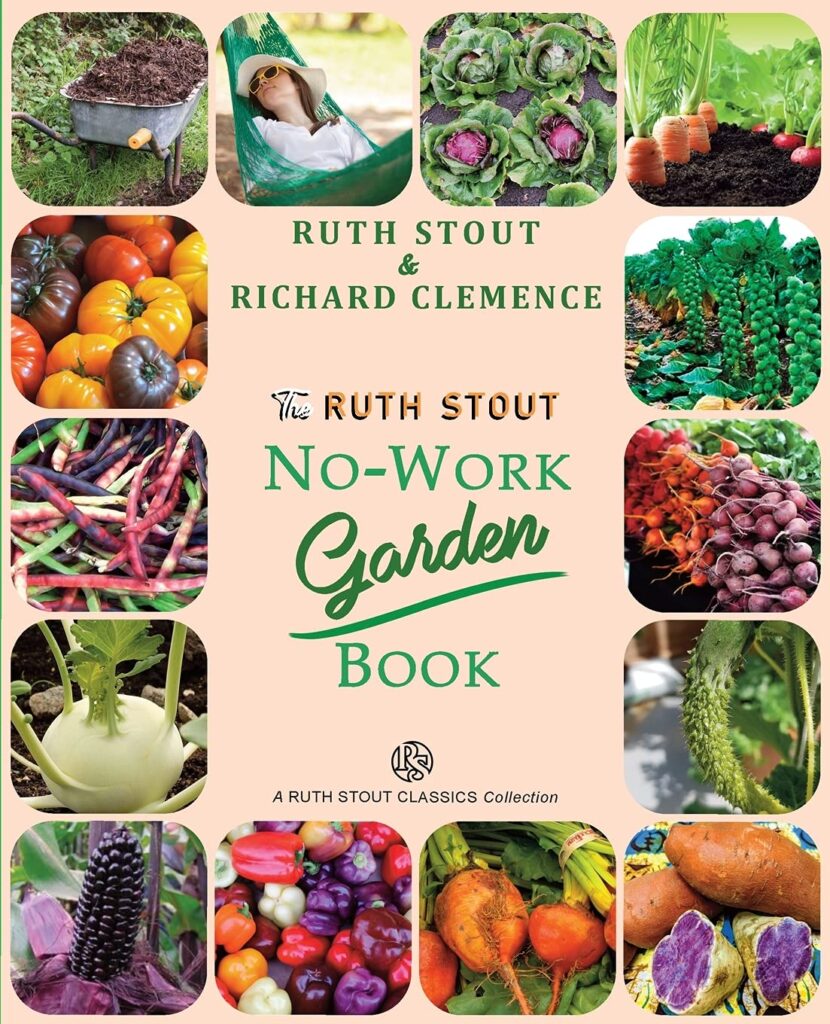
I was reminded of this so clearly while reading Ruth Stout’s book, The No‑Work Garden Book. Page after page, her words felt almost shocking in their simplicity AND deeply relieving to me. She didn’t offer a trendy method or a complicated system. She described a way of gardening that felt attainable, easy, and “rooted” in common sense.
Ruth Stout (1884–1980) was an American gardener, writer, and early pioneer of what we now call lazy gardening. Her methods were unconventional, her tone unapologetic (and often sassy), and her results hard to argue with. She believed that most gardening work was unnecessary… let the garden work for YOU. Simply keeping the soil covered with organic matter can replace tilling, weeding, and even much watering!!
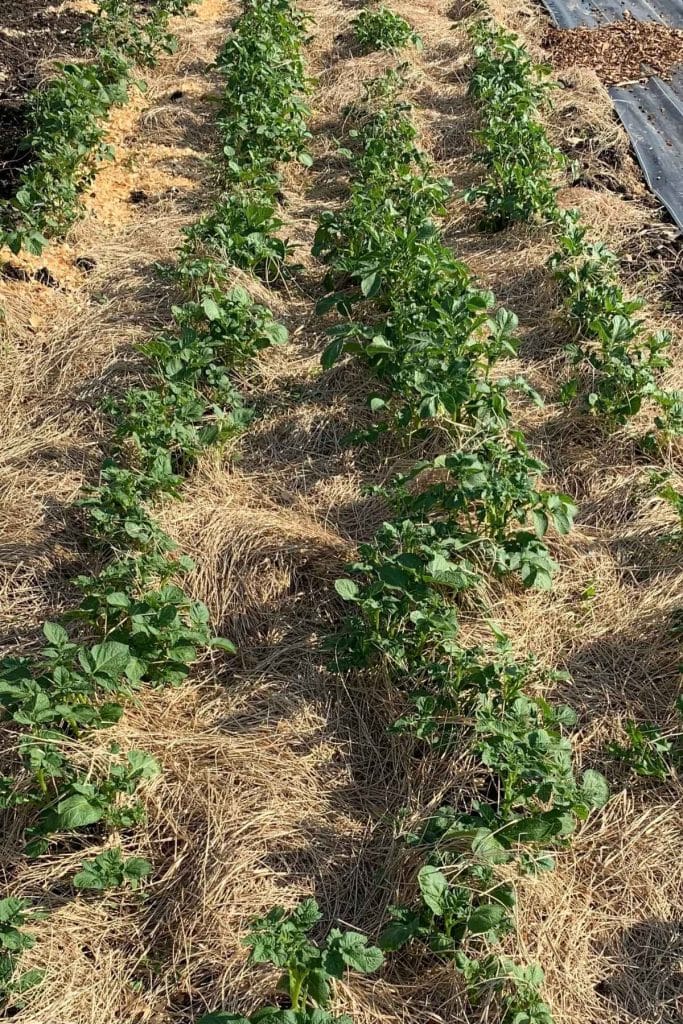
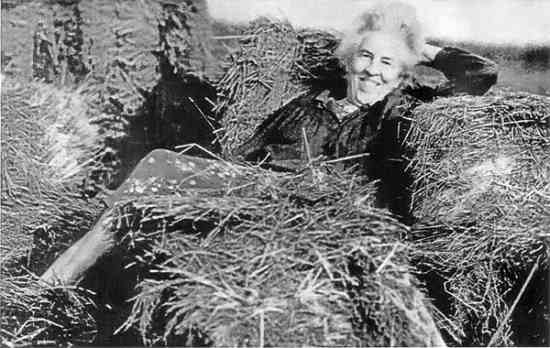
The Core Idea: Easy… Just Add Mulch
At the heart of Ruth Stout’s method is one simple practice:
Cover the soil with a thick layer of organic mulch… and never remove it.
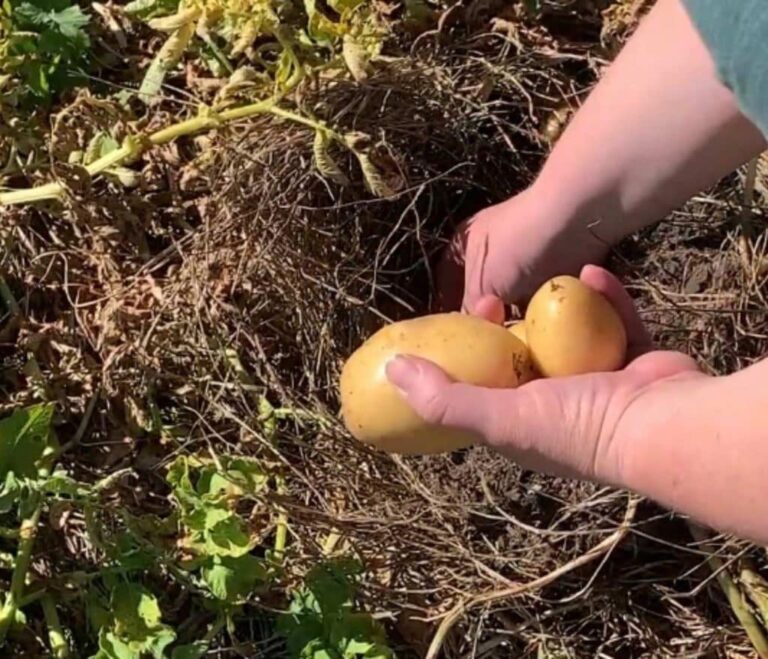
Ruth typically used spoiled hay, straw, leaves, or grass clippings, piling them 8-12 inches deep over her garden beds. Seeds and transplants were planted directly into the soil beneath the mulch, which stayed in place year‑round.
According to Ruth, this single practice:
- Suppressed weeds almost entirely
- Retained soil moisture, reducing the need for watering
- Prevented soil compaction
- Improved soil structure and fertility over time
- Eliminated the need for tilling
In other words, the mulch did the work.
Steps:
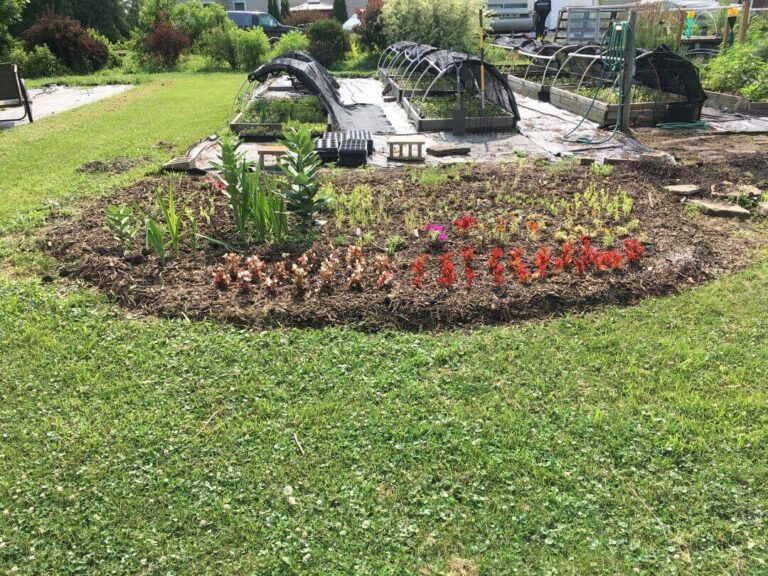
- Add 8-12 inches of mulch to the ground
- Straw hay, leaves, wood chips, whatever
- Ruth Stout specifically uses rotted hay, but any mulch applies
- Let it sit
- When planting time comes, pull back the mulch to see the soil underneath
- Plant your seeds/transplants
- Once the plant starts coming up, reapply the mulch around the seedling so no soil is exposed
NOTE: If you are just starting your garden, lay down cardboard first, and then put mulch on top of the cardboard. When it comes time to plant, if the cardboard still has not decomposed entirely, use a pocket knife to cut holes in the cardboard so you can get to the soil underneath to plant your seeds.
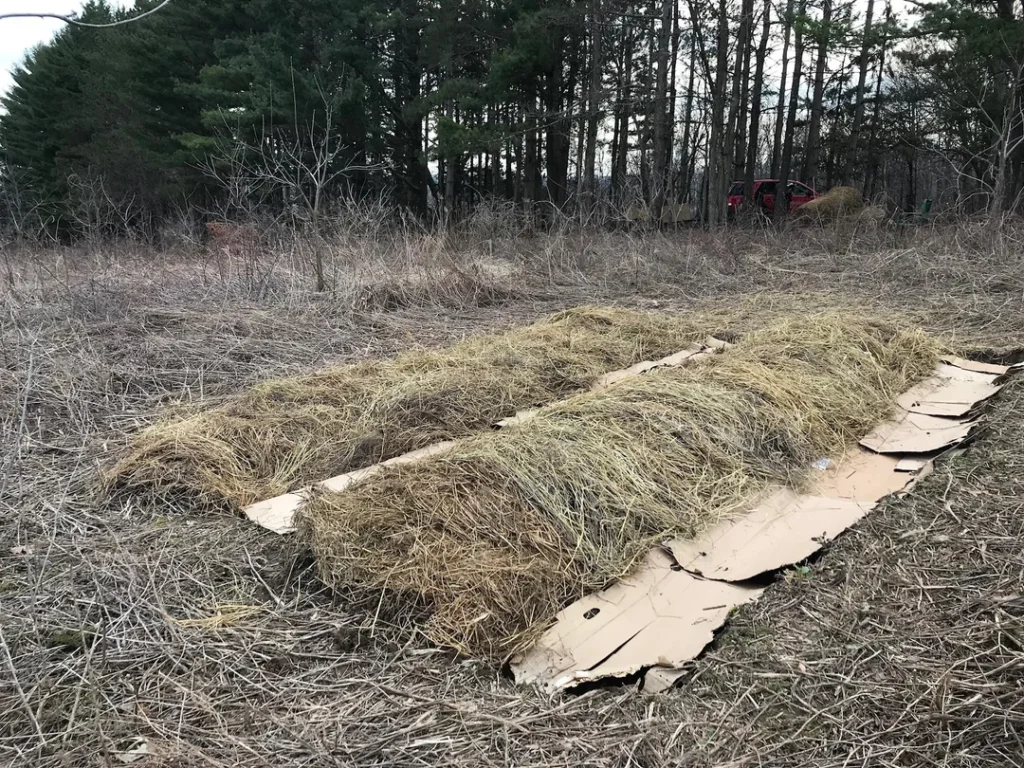
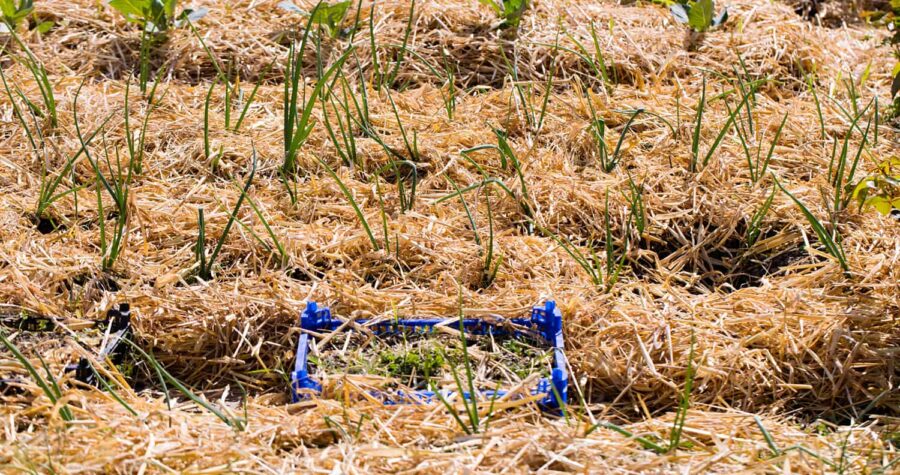
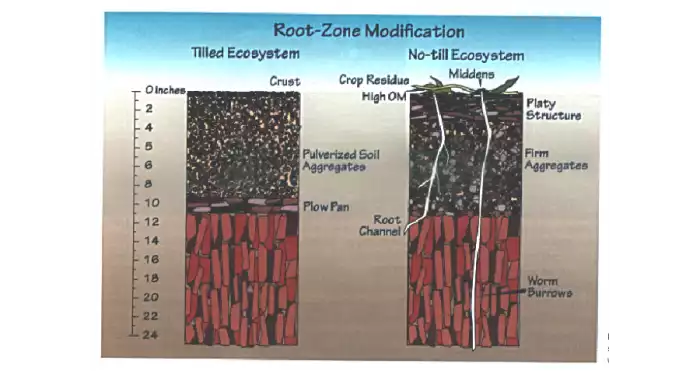
Tilling Damages Soil
One of Ruth Stout’s most controversial claims was that tilling damages soil. She observed that disturbing the soil brought dormant weed seeds to the surface, dried out the ground, and disrupted the natural life beneath.
Instead of fighting nature, Ruth worked with it. The mulch:
- Blocked sunlight from weed seeds
- Fed earthworms and microorganisms as it broke down
- Mimicked the forest floor: nature’s own soil‑building system!
Weeding, in Ruth’s view, was a sign that something had already gone wrong. If weeds were thriving, the soil was exposed.
Is Lazy Gardening Really Lazy?
Ruth Stout would argue that it’s not lazy at all… it’s wise.
Lazy gardening requires observation, patience, and trust in natural processes. It trades constant effort for thoughtful setup. The work is front‑loaded, not endless. She rejected the idea that gardening must be back‑breaking, perfectly manicured, or endlessly demanding. She openly criticized pesticide use back in the 1960s when pesticides and insecticides were increasingly seen as helpful (and even necessary) for growing food. She was annoyed by gardening advice that required constant vigilance, physical strain, and paying money for useless gardening tools: especially for older gardeners or busy families.
Gardening should support your life, not consume it.
And perhaps most importantly, it allows gardening to be a source of joy rather than obligation.
Final Thoughts: Failures
In a world that often celebrates hustle and control, we learn that abundance actually comes from rest, simplicity, and humility. What if the garden doesn’t need more of us… just less interference?
I also want to be clear about something important: this is the way I garden, and I still experience plenty of failures.
There are pests. There’s unexpected weather. There are seasons when I get busy and don’t harvest in time, and the animals get there first. Sometimes plants just don’t thrive, even when you feel like you did everything “right.” The list goes on.
Gardening is the same as all of life: you win some, you lose some. Some things flourish, others fall short… but the Lord uses both. We are taught by trial, refined by perseverance, and strengthened to continue on. (James 1:2-4, Romans 8:28). This is true for every gardener, no matter their experience-level or method.
Let this be encouragement, not discouragement. Failure doesn’t mean you’re doing it wrong. It means you’re learning. Pay attention, make small adjustments, and keep going. The goal isn’t perfection: it’s progress, resilience, and the willingness to continue showing up season after season. Keep moving forward!
Here’s a Simple, No‑pressure Way to Try Lazy Gardening:
- Choose one small area
A single bed, a section of your garden, or even a problem spot that’s always weedy. - Stop pulling weeds
Cut tall weeds at the soil line if needed but don’t disturb the soil. - Add deep mulch
Cover the area with 8-12 inches of organic mulch: straw, spoiled hay, leaves, grass clippings, or a mix. If you can still see soil, add more. - Plant right through the mulch
Pull the mulch aside just enough to plant seeds or transplants into the soil beneath, then gently tuck the mulch back around them. - Leave it alone
Let rain, soil life, and time do their work. Water less than you think you need to. Observe instead of intervening. - Keep adding mulch
As the mulch breaks down, simply add more on top. This is the only real “maintenance.”
You don’t need perfect timing, special tools, or years of experience. Just covered soil and a willingness to trust that nature knows what it’s doing.
Happy Gardening, you can do this!
❤️Rachel