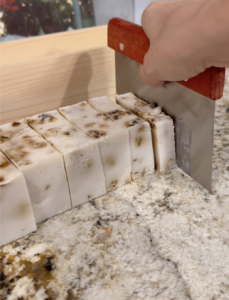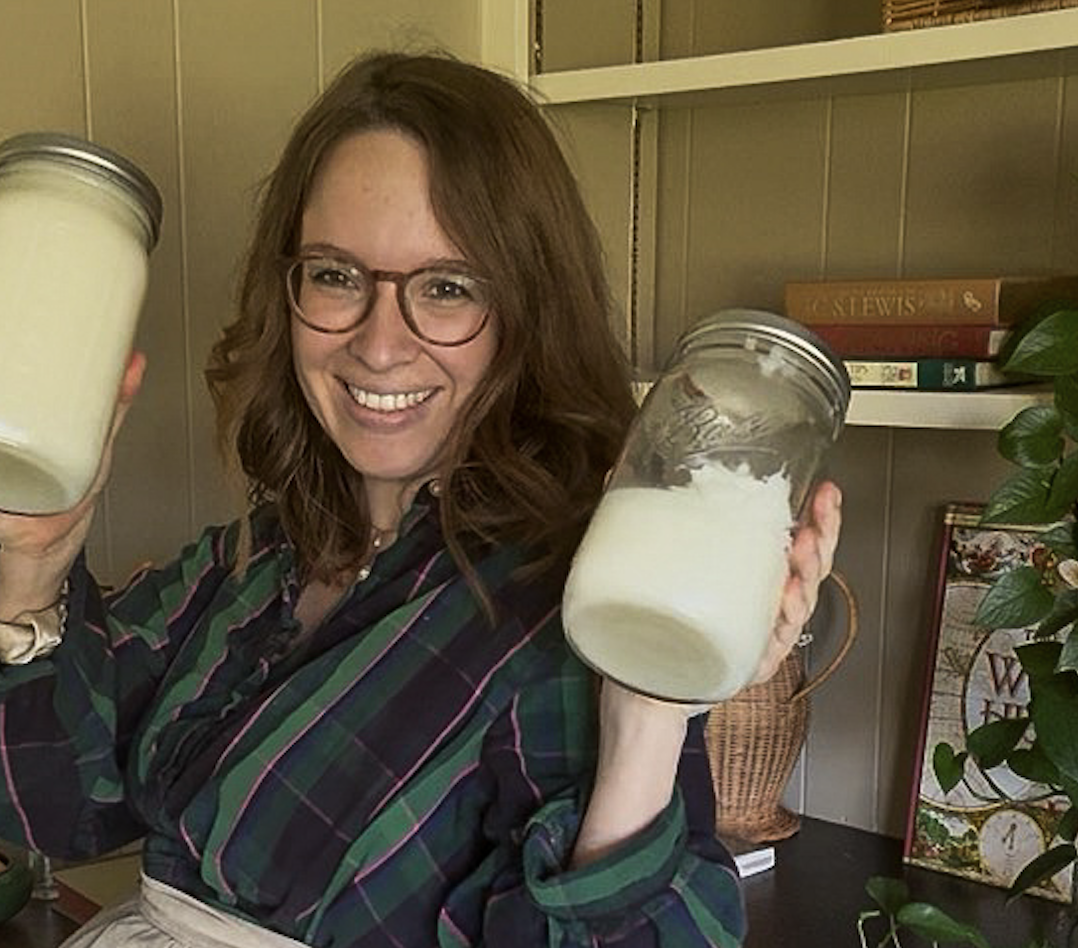
Intro
This is the Coconut Oil Soap part of my blog series of giving you more exact soap recipes because y’all asked for them! This recipe is for coconut oil that is solid at room temperature, the basic kind that almost everyone gets from the grocery store.
I want to be clear that I’m not here to be a soap expert. I’m here to show you that you can take steps towards soap-making and other healthy changes in your home WITHOUT being an expert. I’ve been making all of my family’s soap for 4 years with the same simple recipe and I have personally not adjusted it for different fats or oils. I’ve just been okay that my soap comes out with slightly different textures each time lol.
However, many of you wanted my help formulating your recipes for more consistent bars of soap. Here are the calculations for a bar soap made with 100% coconut oil.
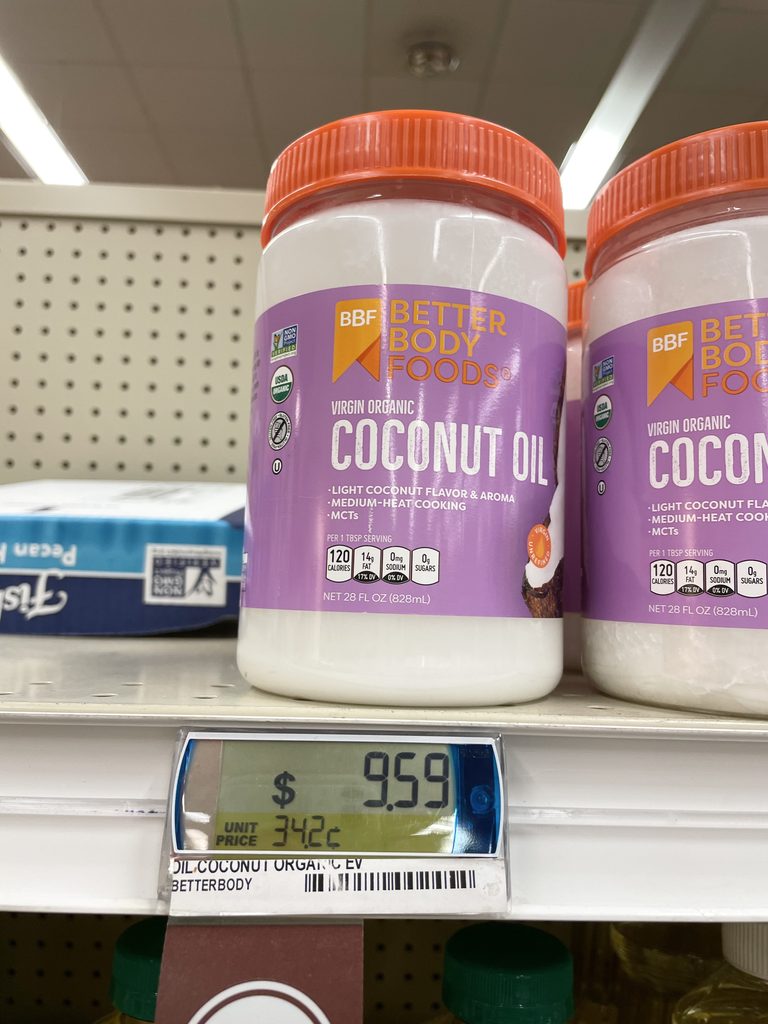
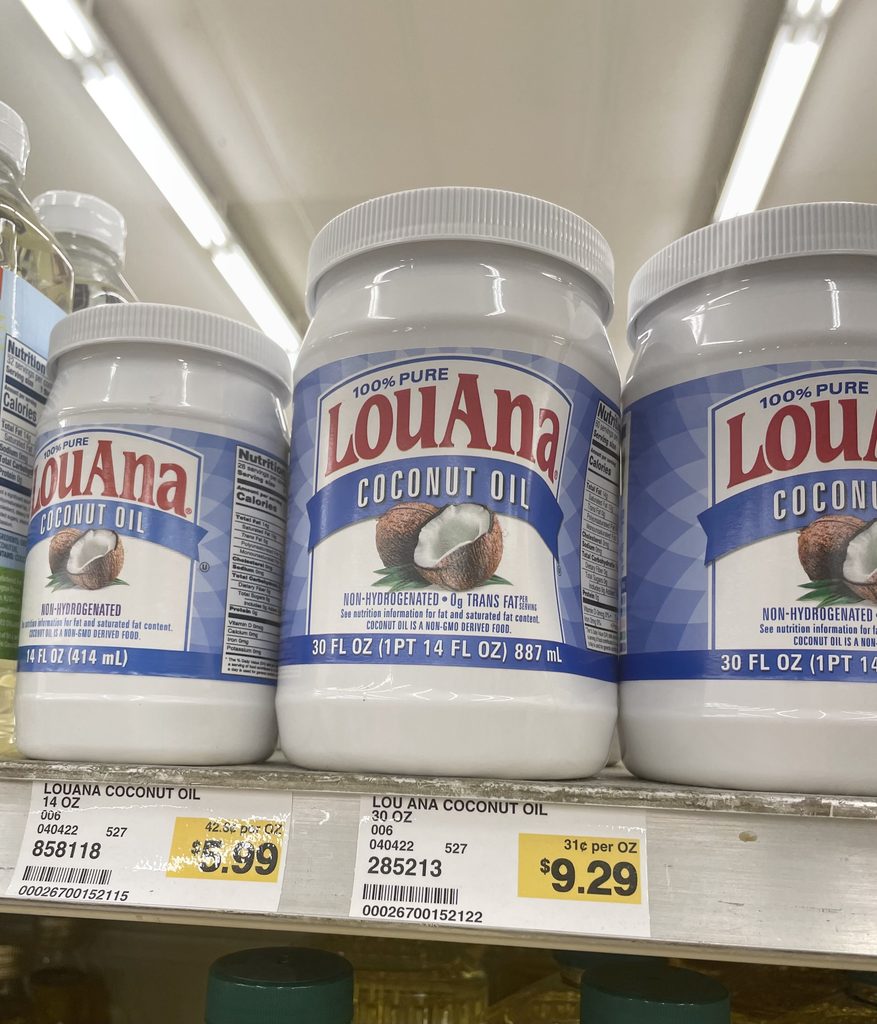
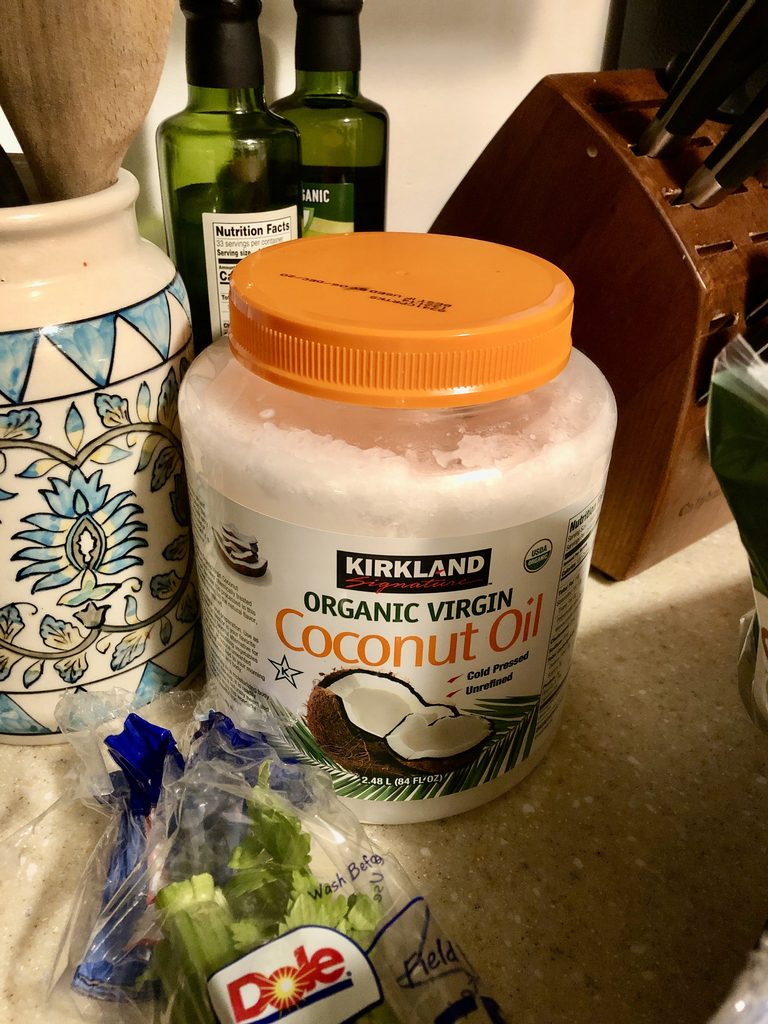
Coconut Oil Soap
They way coconut oil reacts with lye can make a particularly drying bar of soap. We don’t want a soap that will strip our skin and not moisturize at all! To remedy this issue, you want to aim for a 20-25% superfat when using 100% coconut oil. (This is higher the typical desirable superfat ranges of 5-15%).
Recipe for 100% Coconut Oil Soap
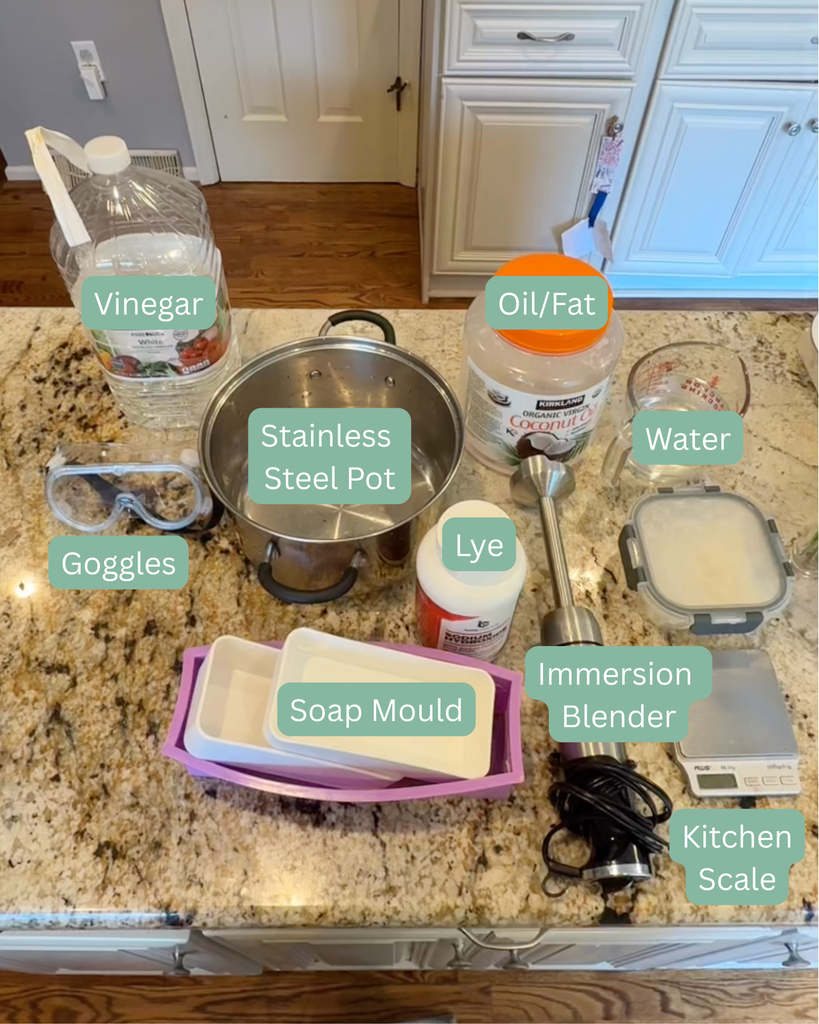
Materials
- Vinegar
- Eye protection
- Stainless steel pot or bowl
- Immersion blender
- Kitchen scale
- Soap mold
Ingredients**
- 8oz filtered water
- 22oz coconut oil, melted
- 3.2oz lye
Instructions
- Melt your coconut oil (try to keep it under 120 degrees)
- This recipe is for coconut oil that is solid at room temperature, also known as 76°F Coconut Oil
- Pour 8oz water into pot
- Tap water is fine as long as it’s not “hard” water
- Pour 3.2oz lye into water and stir to combine
- Go slowly, *don’t put your face directly over pot, fumes can be strong*
- Pour 22oz melted coconut oil into pot and begin immersion blending
- Keep stirring/blending until you get trace (pudding consistency)
- Pour soap mix it into soap mold
- Let cure for 1-2 weeks to solidify before cutting
- Then cure cut soap for 1-2 more weeks before using (do zap test)
If you want more expert opinions on soap making, I think https://www.ellyseveryday.com/ has a wealth of useful information.
To calculate your own soap recipe with varying ratios: https://soapcalc.net/calculator
Types of Coconut Oil in SoapCalc.net
If you use a soap calculator, you will see different types of coconut oil to choose from. The numbers 76°F and 92°F for coconut oil in soap calculators like SoapCalc refer to the melting point temperature in degrees Fahrenheit of that specific type of oil.
- 76°F Coconut Oil: This is the most common, standard, and unrefined or refined coconut oil. It remains solid at room temperature and melts once it hits 76°F (24°C).
- 92°F Coconut Oil: This version has been hydrogenated, which changes its crystal structure and raises its melting point to 92°F (33°C). Soap makers in hot climates often use it so the oil stays solid at higher ambient room temperatures.
- Fractionated Coconut Oil: This is liquid at room temperature because specific long-chain fatty acids are removed. It is rarely used for regular soap making because it behaves differently and yields poor lather/hardness properties.
Links for Tools and Supplies
For your convenience, here are the links to all of the tools/supplies I personally use! If you do not want to purchase on Amazon, another option would be to check Facebook Marketplace. Often, people are getting rid of their hobby items right when you are starting, so you can buy a whole bundle of supplies for much cheaper! Worth a check.
Happy soap making and remember, all glory to the One who created it all!
❤️ Rachel
100% Coconut Oil Soap
Equipment
- Vinegar
- Eye protection
- Stainless Steel Pot
- Immersion Blender
- Kitchen scale
- Soap molds
Ingredients
- 8 oz Filtered Water
- 22 oz Coconut Oil melted
- 3.2 oz Lye NaOh, sodium hydroxide
Instructions
- Melt your coconut oil (try to keep it under 120 degrees)This recipe is for coconut oil that is solid at room temperature
- Pour 8oz water into potTap water is fine as long as it’s not “hard” water
- Pour 3.2oz lye into water and stir to combineGo slowly, *don’t put your face directly over pot, fumes can be strong*
- Pour 22oz melted coconut oil into pot and begin immersion blending
- Keep stirring/blending until you get trace (pudding consistency)This will happen very quickly with coconut oil
- Pour soap mix it into soap mold
- Let cure for 1-2 weeks to solidify before cutting
- Then cure cut soap for 1-2 more weeks before using (do zap test)
Notes
- If adding flower petals or peels into soap, please ensure that they are FULLY DRY, otherwise they will mold.
- It is normal for flower petals or peels to bleed color inside the soap. This is a normal chemical reaction.
- If you want to add flower petals but don’t want them to bleed, simply sprinkle them on top of the mold after pouring in the soap.
Precations:
- Wear gloves and safety goggles.
- Work in a well-ventilated area.
- Keep children and pets away from lye and lye water.
- Always add lye to water, never water to lye.
- Avoid breathing lye fumes; don’t lean over the mixture.
- Use stainless steel, silicone, or heat-safe plastic.
- Never use aluminum.
- Avoid skin and eye contact with lye or fresh soap batter.
- Keep vinegar or other acids out of the lye-mixing process.
- Clearly label and safely store lye out of reach of children.
- If lye contacts skin, flush immediately with vinegar and then plenty of cool running water.