As anybody who knows me understands, I tend to find deeper lessons in most avenues of life. I’m not sure why I do this, it’s not on purpose, things just pop into my head and I can’t help but allow my thoughts to hip and hop down the rabbit trail.
So when I began making soap almost 5 years ago, I couldn’t only learn HOW to make it… I wanted to know how everyone else had been washing their things for all of human history. How did we land on soap? How did they used to get potassium hydroxide when laboratories weren’t a thing? What did the poor people do and what did the rich people do? Did they do it better then or are we doing it better now? (I never want to fall into a historical fallacy). You get the point.
The Earliest Legend of Soap
According to a popular legend, soap was discovered by accident on Mount Sapo, a supposed sacred site where animals were sacrificed by burning.
Let me paint you a picture:
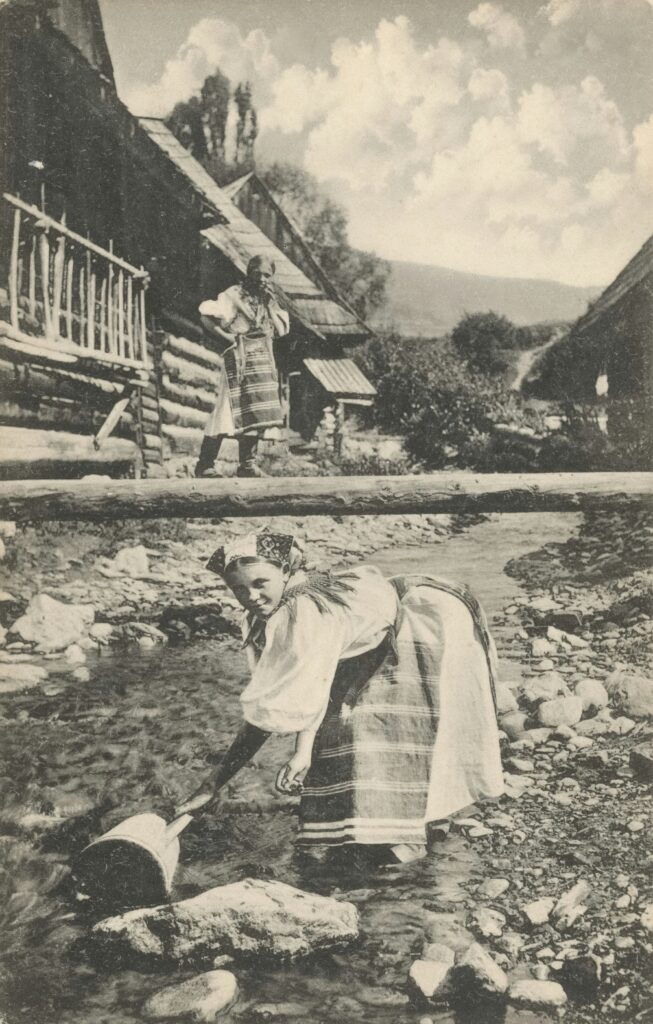
You’re an average Israelite woman, going to wash your linens in the river on washing day. You step into the river about to get started, when you think “Yaakov had a heck of a nosebleed on this tunic, I really need to get it much cleaner… I should take it slightly down the river to the base of the holy mountain.”
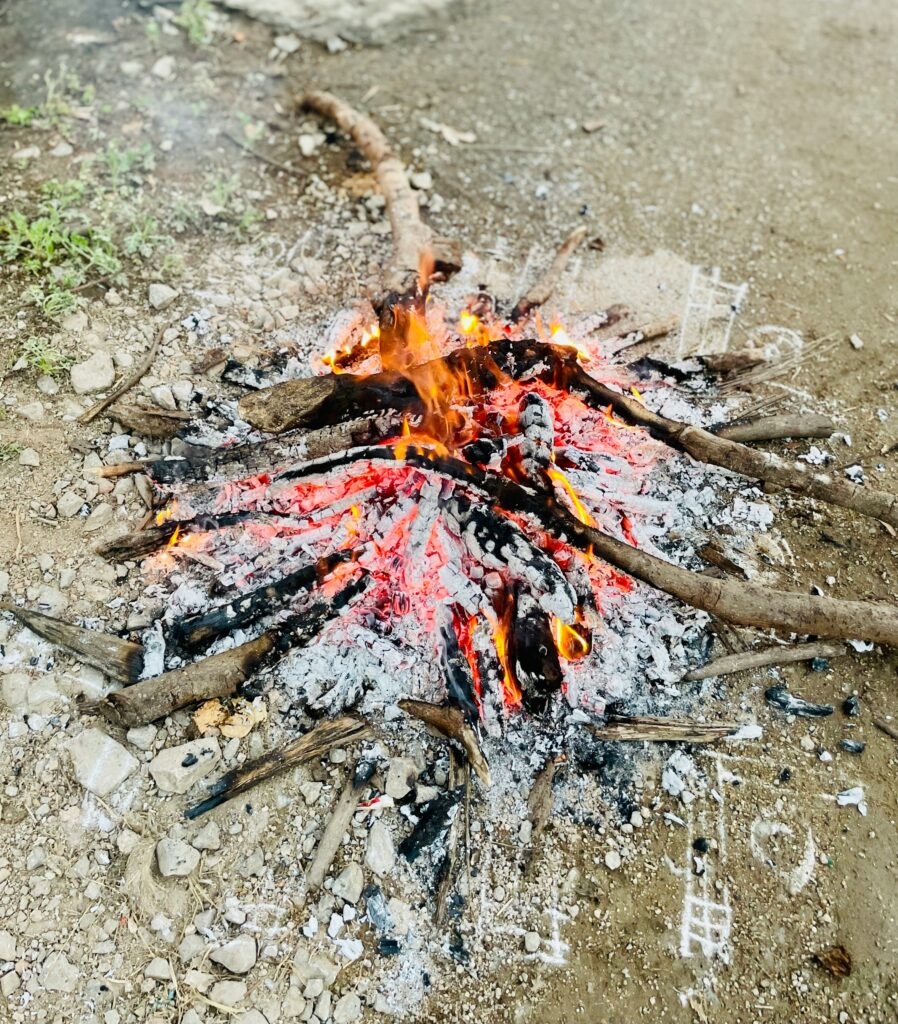
Because women recognized over time that their washing always got cleaner at the base of the holy mountains! The men would climb to the top of the mountain to sacrifice an animal and burn its fat over fire. This was necessary as justice to cleanse the people from their sins. The fat from the animal would liquify and drip onto the burnt wood ash.
Then, when rain came again, the animal fat and wood ash would be washed down the mountainside and into a nearby river: the two combined to form a crude soap! This is because when water is strained through fine wood ashes, it creates a very concentrated alkaline solution. When you combine a heavy alkaline solution (lye) with soothing animal fat or oil – a chemical saponification reaction naturally happens and creates soap.
Women washing clothes in the river consistently noticed that their laundry always got cleaner at the base of the mountain, and so the discovery of soap was born!
Interesting, but What is the Deeper Meaning?
Do you see how this parallels God’s design for salvation??
In the Old Testament, people would have to sacrifice an animal to be cleansed from their sins. Then to find out, in fact, that same process didn’t just clean their souls but it also cleansed their physical bodies as well!
The very act and ingredients prescribed for the cleansing of the spiritual self were the exact ingredients for the cleaning of the physical self!! Are you joking me? That is crazy.
Then, after Jesus comes, we learn that the blood of the ultimate sacrifice, Jesus Christ, doesn’t just cover our sins temporarily, but washes us clean once and for all. Isn’t that so cool? It’s the gospel!
The very act and ingredients prescribed for the cleansing of the spiritual self were the exact ingredients for the cleaning of the physical self. What??
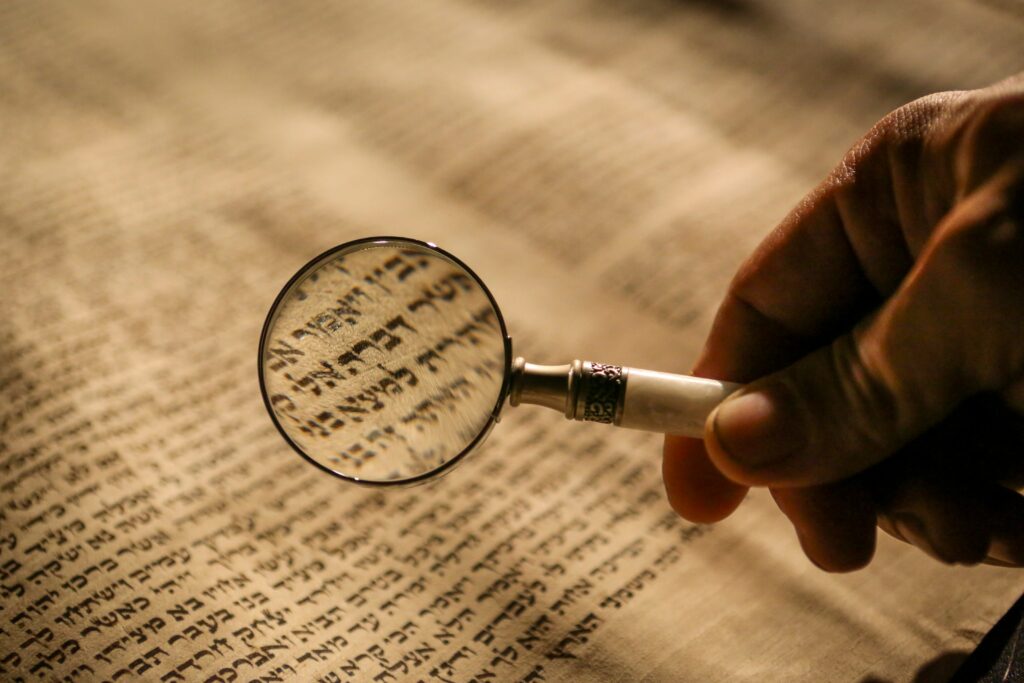
The Bible is the Word of God
I am very skeptical by nature. After I became a Christian, I knew there was no going back. But yet, I still struggled with doubt and skepticism for years. I spent a long time trying to see if I would end up being let down by something in the Bible. Some kind of inconsistent metaphor or inconsistency.
After years of probing and questioning, God continues to amaze me with this intricate tapestry of creation that He has woven. I am in awe of tied together everything is in His truth. His gifts and His nature can be seen anywhere.
Anyways, I hope this inspires you to read the Bible today. Or at the very least to smile.
As always, all glory to the One who created it all!