The Surprising History of Soap
🕯️ Even Soap Tells the Story of Redemption
When I first learned how soap was originally made, I couldn’t stop thinking about it.
The earliest soaps weren’t perfumed or pink or poured into fancy molds.
They were made from the fat of sacrificed animals, mixed with ashes and water: the same elements once used upon the altar for the cleansing of sin.
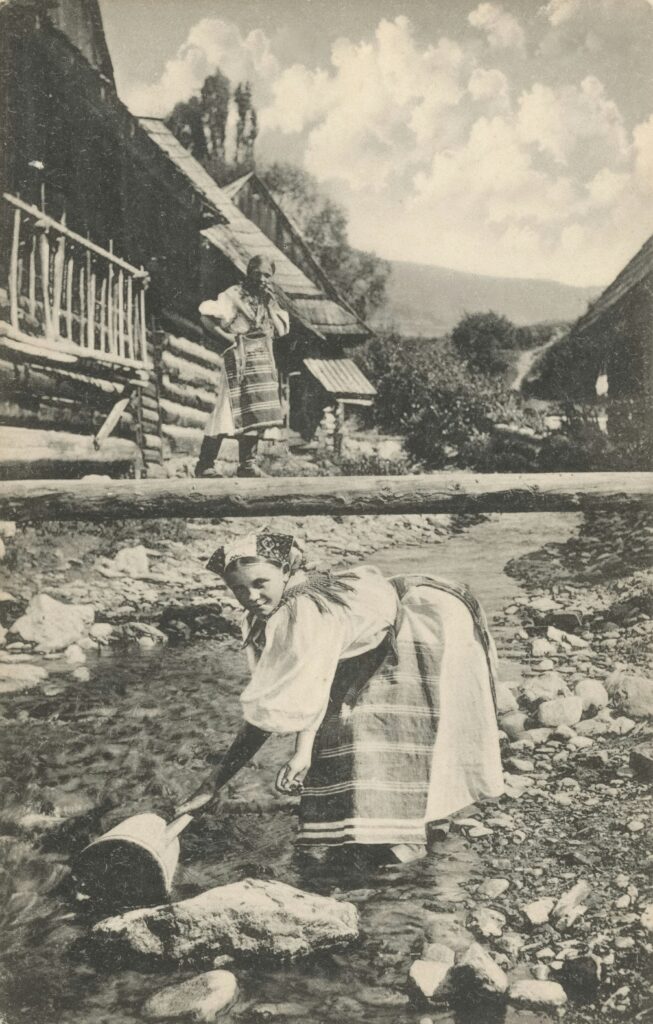
Women first discovered the cleansing power of soap because thousands of years ago, when all clothes were washed in the river, they realized that clothes washed at the bottom of the holy mountains got cleaner than in other rivers…
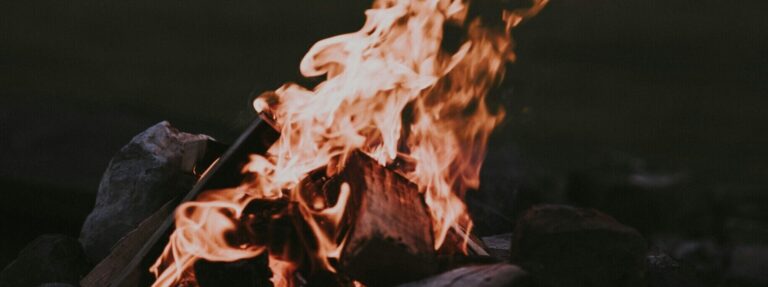
Because animals were sacrified over fires atop “holy” mountains, the animal fat would mix with the wood ash, and then rain would wash the mixture down the mountain into the river.
What an incredible picture that is:
The byproduct of sacrifice became the MEANS of cleansing.
From Altar to Basin
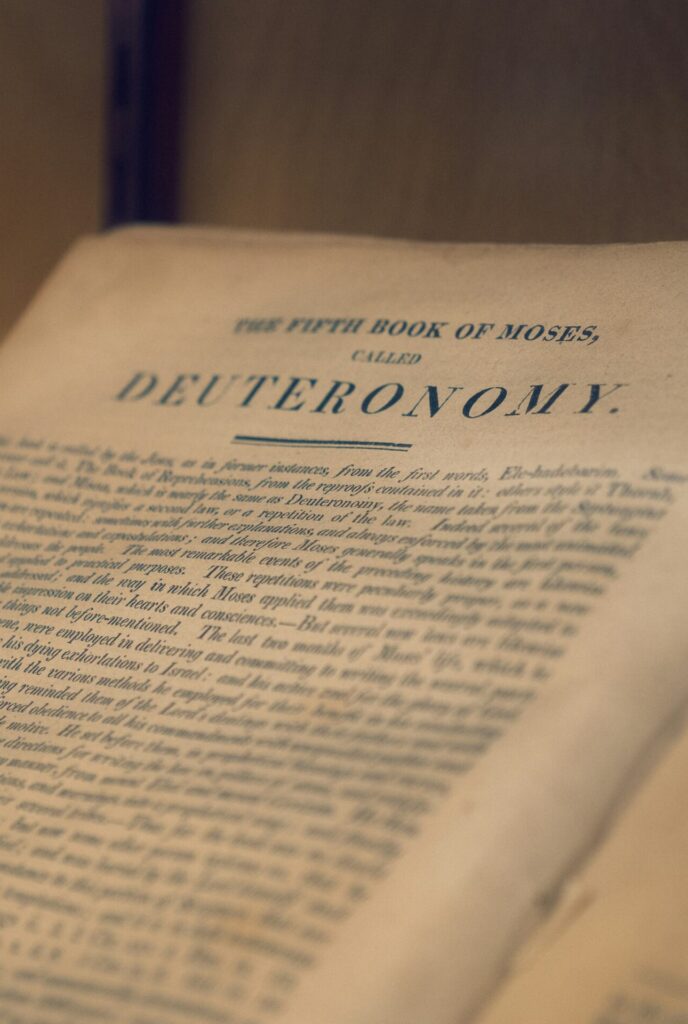
In Scripture, fat from the offering was burned on the altar as “an aroma pleasing to the Lord.” (Leviticus 3:16)
The ashes that remained were gathered and mixed with water for ceremonial purification.
When you think about it, those same ingredients – fat, ash, and water – are the ancient foundation of soapmaking.
Through a process called saponification, fat meets alkali and becomes something entirely new: a substance that cleanses, purifies, and restores.
A transformation through reaction: not unlike what happens when grace meets sin!
The Chemistry and the Cross
Soap, at its core, is made from two things that don’t belong together:
oil (something rich, soft, life-giving) and lye (something harsh, caustic, dangerous).
On their own, both can harm.
But when they meet in the right measure, under the right heat, they transform into something gentle enough to cleanse a child’s hands.
Isn’t that the Gospel?
The harshness of judgment met the richness of mercy: and what came forth was grace.
Even in creation, God left fingerprints of redemption. The mundane act of washing with soap is a quiet echo of a deeper truth:
Cleansing always comes through sacrifice.
A Modern Reflection
Today, when I melt tallow from our kitchen or pour olive oil into my soap pot, I think about that connection.
How even the simplest acts: rendering fat, stirring lye, cutting bars, point back to the altar and the cross.
Homemaking, when done with open eyes, becomes holy ground. The ordinary becomes parable. And the soap in our sink becomes a sermon we hold in our hands.
Next time you wash your hands, remember:
The story of cleansing didn’t start with bubbles. It started with sacrifice and ends with grace.
Share your thoughts in the comments!