
Can you eat freshly milled flour if you are “allergic to gluten”?
That depends on what you actually mean by that term. If you have celiac disease or a true wheat allergy, no you can’t have gluten in any form, freshly milled or not. If you have “gluten intolerance” (more accurately called non-celiac gluten sensitivity), freshly milled flour is worth trying!
Many people who believe they have an intolerance to gluten actually only have an intolerance for highly processed bread or flour – not truly the gluten protein itself.
Celiac Disease
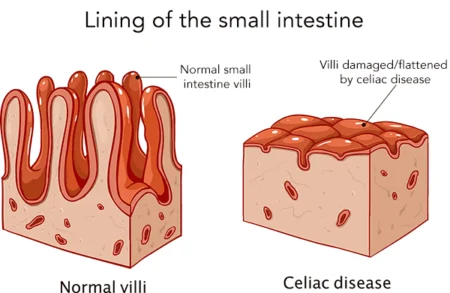
Celiac disease: An autoimmune condition where gluten triggers the immune system to attack the small intestine. They can eat gluten-free bread because it has no gluten at all. They cannot eat freshly milled flour made from wheat, barley, or rye because milling doesn’t remove gluten, it just leaves more of the grain intact. Celiac reactions happen even without kneading or water, because it’s the gliadin and glutenin proteins themselves that are the problem, not how the flour was processed. They CAN eat freshly milled flour from naturally gluten-free grains like buckwheat, rice, corn, millet.
Wheat Allergy
Wheat allergy: A true allergy is an IgE antibody immune response to a protein: it can cause hives, GI upset, or even anaphylaxis. Gluten intolerance never causes anaphylaxis; a wheat allergy can. People with a wheat allergy sometimes can’t even eat gluten-free bread if it’s made from wheat starch with the gluten removed, since the allergy is to wheat proteins generally, not specifically gluten. They cannot eat any freshly milled flour made from wheat or whatever grain they’re allergic to, regardless of processing.

Gluten Intolerance
Gluten intolerance (non-celiac gluten sensitivity): People with this experience symptoms similar to celiac disease like bloating, pain, fatigue, brain fog that improve when gluten is removed… but they test negative for both celiac disease and wheat allergy. Because there’s no reliable biomarker for it, it’s diagnosed by an elimination-and-reintroduction process rather than a blood test or biopsy. And it’s not fully confirmed that gluten itself is the trigger! Other wheat components like fructans and amylase-trypsin inhibitors (ATIs) may be responsible instead. That’s part of why some people with “gluten intolerance” tolerate freshly milled or long-fermented wheat fine. They may never have been reacting to the gluten itself, just to how processed, high-gluten commercial wheat is made.

Final Words
So: some people labeled “gluten intolerant” don’t have a true problem with the gluten protein at all, they have a poor response to highly processed commercial bread. If you don’t have a diagnosed wheat allergy or celiac disease, freshly milled flour is worth trying to see how your body handles it. Many people find they can digest bread made with FMF just fine, especially einkorn, spelt, or other ancient grains, or sprouted wheat.
Not medical advice. If you haven’t been tested for celiac disease, get tested before cutting out gluten (going gluten-free first can hide it on a test).
Happy milling and remember, all glory to the one who created it all! ✝️
