Don’t Waste Your Weeds: Henbit (Lamium amplexicaule)
If you’ve ever looked out at your yard in early spring and thought, “Wow… it’s just covered in weeds,” you might already have a little treasure growing under your feet! It could be used for food, medicine, pollinator help, maybe even a little instrument.
Let me introduce you to henbit.
Henbit (Lamium amplexicaule) is part of the mint family, which means once you know what to look for, it becomes surprisingly easy to recognize. It has a square stem (always a fun plant clue), soft, round-lobed leaves that grow opposite each other, and the sweetest little purple tubular flowers.
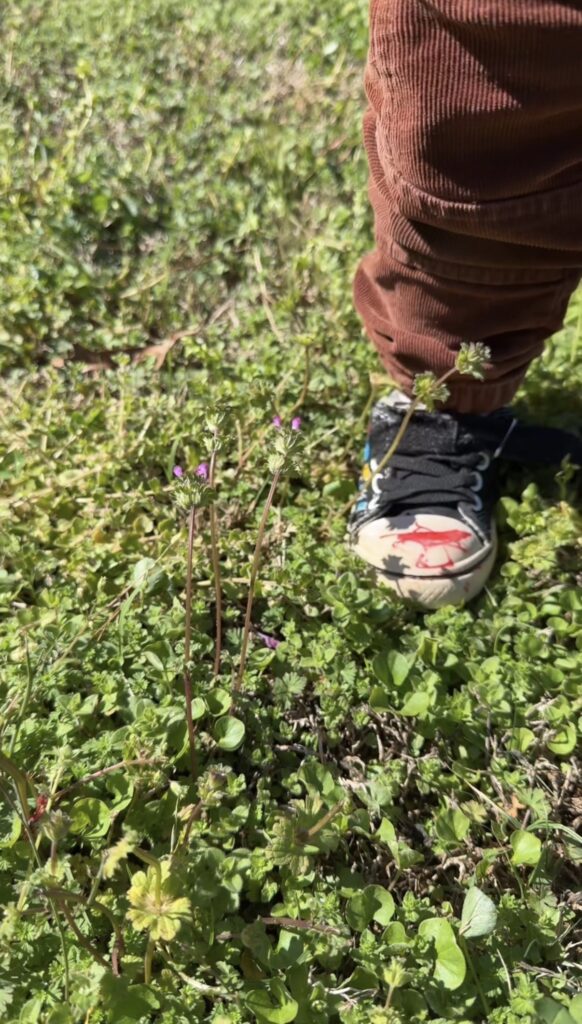
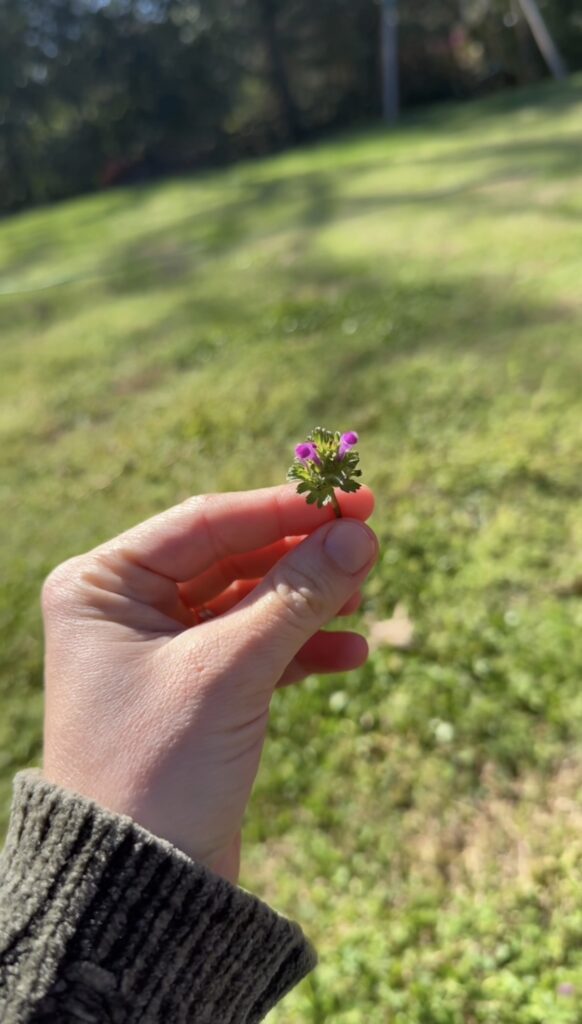
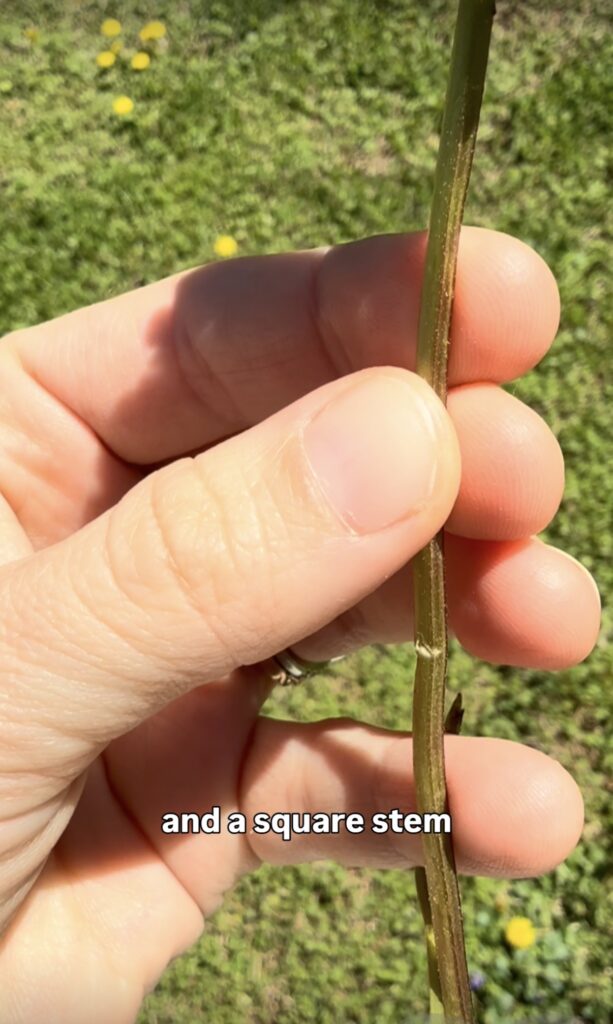
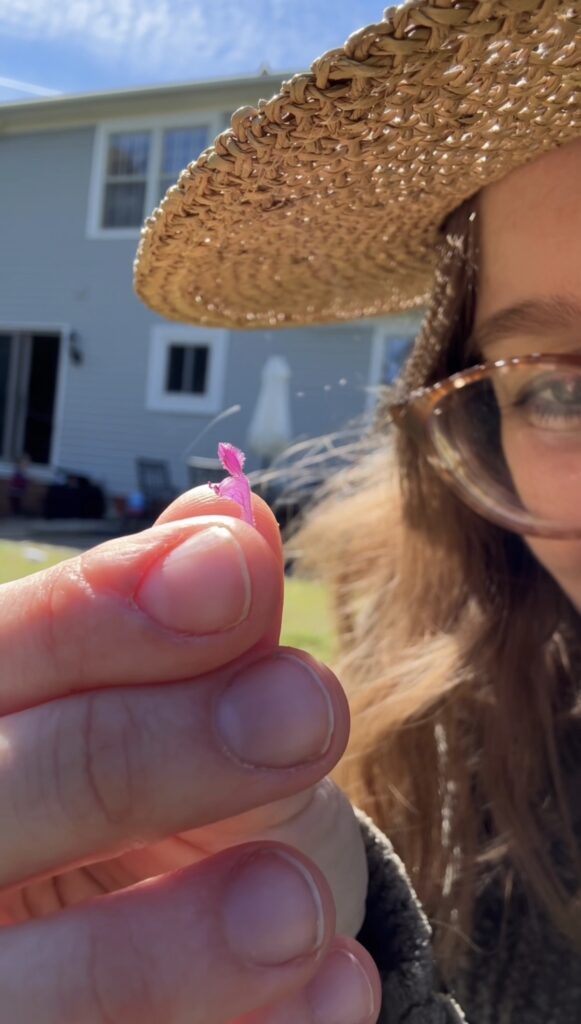
And if you have kids (or honestly, even if you don’t) those flowers double as tiny fairy horns. 🧚
Yes, you can actually pick them and gently blow into them! That alone might be reason enough to keep it around lol.
But henbit isn’t just whimsical, it’s genuinely useful!

Simple, Practical Uses for Henbit
One of the things I love about learning plants is realizing that what we’ve been trained to pull out and throw away often has real value!! (It’s like they don’t want us to be able to provide for ourselves and be sustained by food that we don’t have to pay for) 👀
Anyways, here are a few ways henbit has been used:
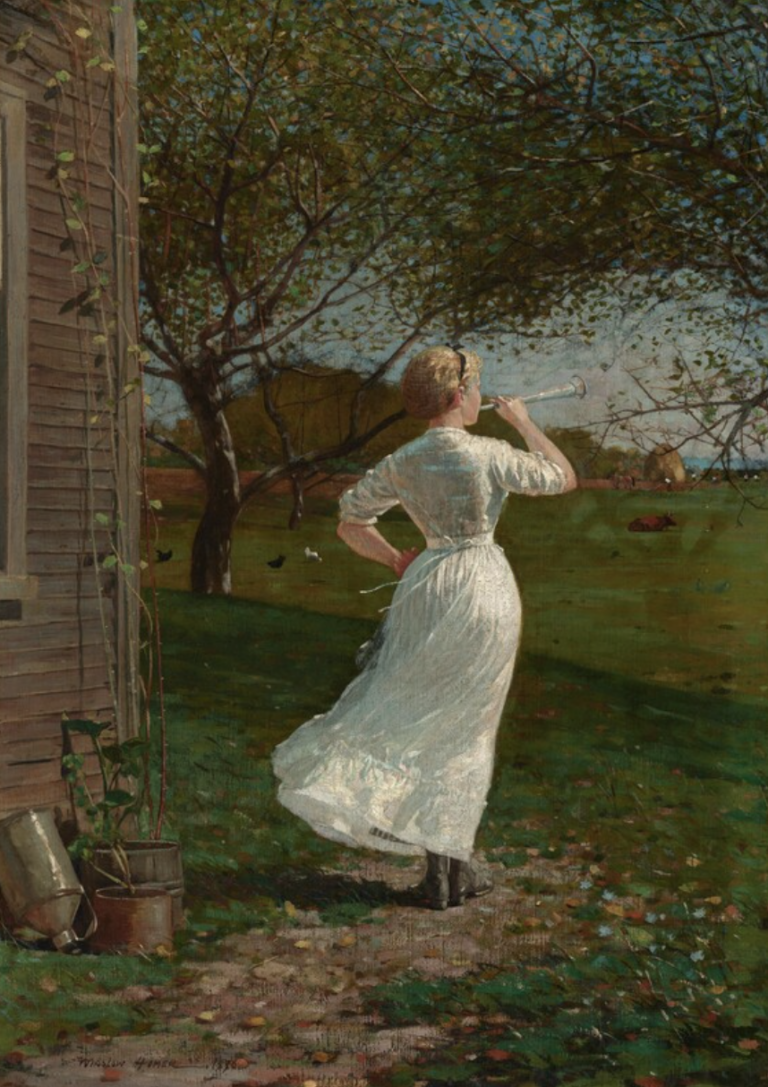
• A tiny instrument
Like I mentioned above: fairy horns!! My kids and I SO enjoy going hunting for henbit in the late Winter (although it does grow like a weed, so it’s not the hardest thing to hunt for). I like to think that God gave us these little trumpets to make us smile and celebrate the beginning of Spring and the coming of Easter.
• A simple poultice
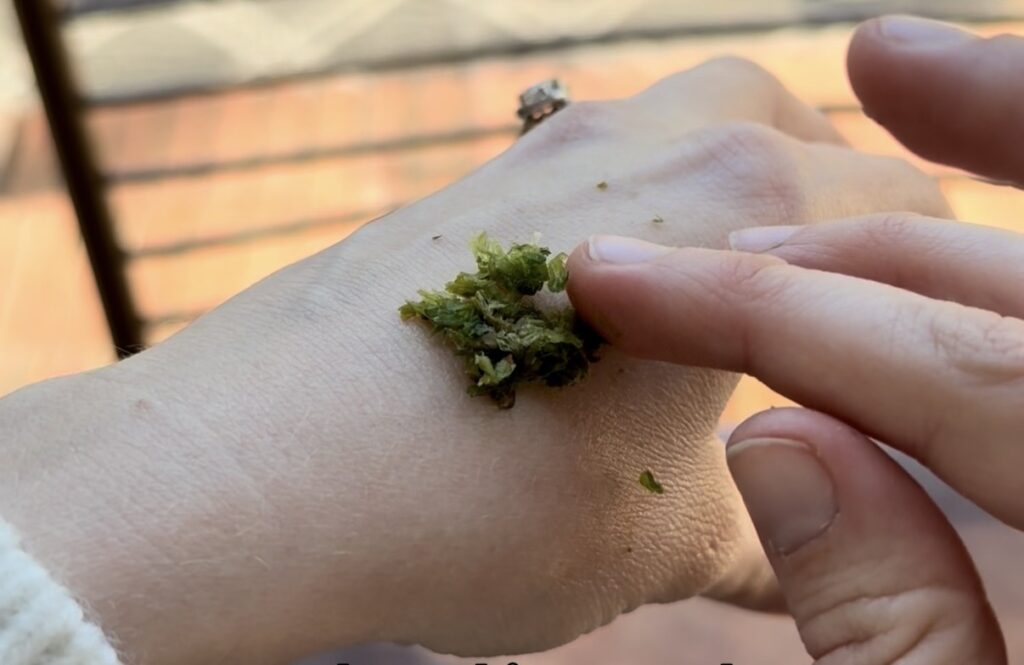
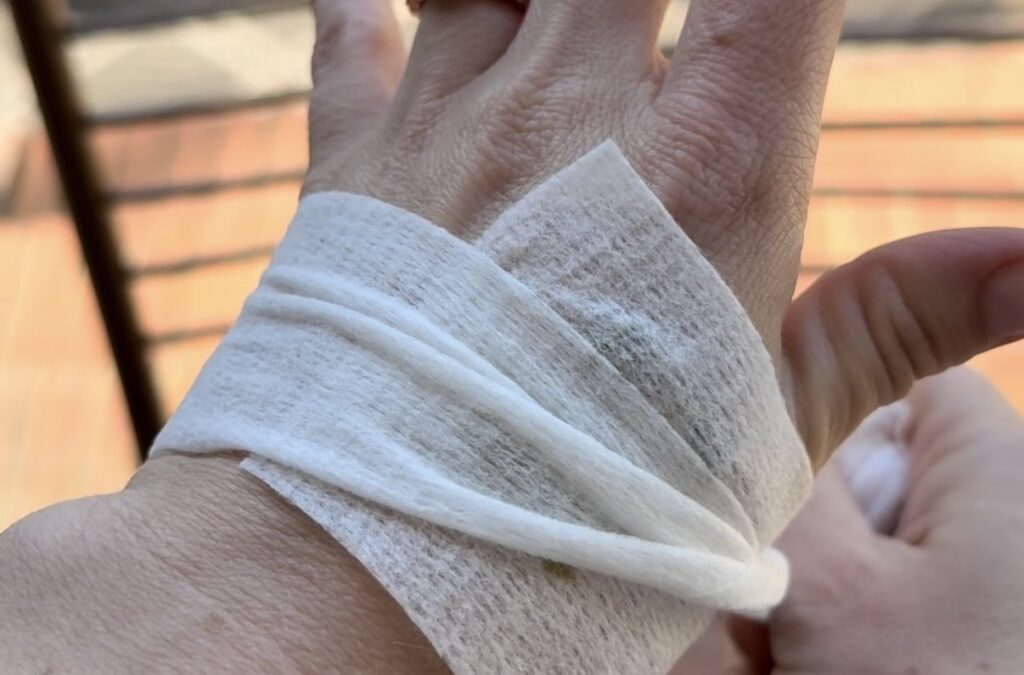
The leaves and stems can be crushed and applied to sore areas: muscle aches, bruises, even things like sciatica or gout. Nothing fancy, just crushed plant material right onto the skin. The ancient recommendation to make a poultice is to simply chew it up (salivary amylase helps break down the compounds in the plant) and rub it onto the affected area. You can even secure the poultice with a gauze wrap. (Helpful source: here or you can purchase Culpeper’s Herbal Guide for Physicians from 1653).
• A nourishing tea
You can steep the stems, leaves, and flowers into a tea that has traditionally been used as an anti-rheumatic. It’s an easy way to incorporate it into your routine.
• Toss it in your food
Henbit is edible! You can add it fresh to salads. It contains iron, fiber, and vitamins A, C, and K. Pretty amazing for something most people are trying to get rid of!
• Feed your chickens
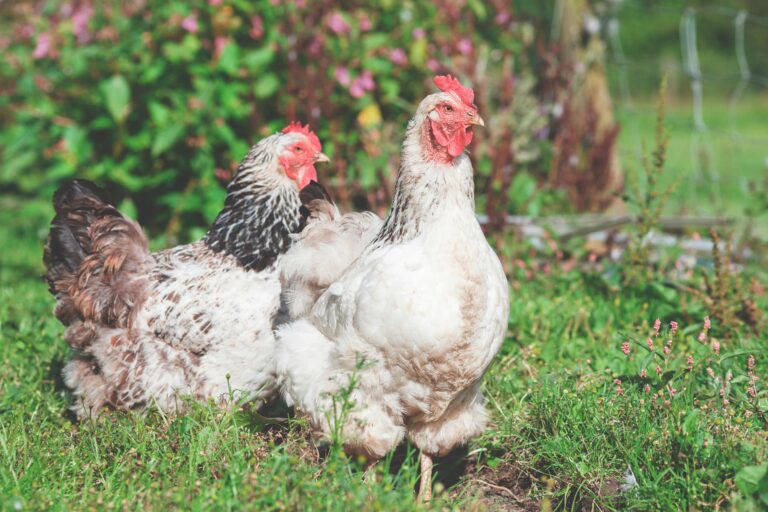
This one is actually where it gets its name: henbit. Chickens love it. So instead of seeing it as a nuisance in your garden beds, you can think of it as free forage.
• A note from history
Pliny the Elder even mentioned henbit, claiming it could repel snakes. Now… take that as you will. But I do love seeing how long people have paid attention to the plants around them.
Should we shift our perspective?
I’m not saying you should never pull weeds… But I am saying: it might be worth taking a pause before pulling anything! Instead of immediately clearing everything out, what if we asked: What is this? Is it useful? Can I eat it, use it, or enjoy it?
•What is this?
•Is it useful?
•Can I eat it, use it, or enjoy it?
Even if all you do is learn to recognize a few edible plants in your yard, that knowledge is valuable. At the very least, I like knowing what’s growing around me… just in case of a zombie apocalypse.
Because honestly, if that day ever comes, the people who know their “weeds” might be doing just fine. 🙂
Happy foraging!
❤️ Rachel
A post shared by Rachel Butler | Winding Row Cottage (@windingrowcottage)